Ewa Palenga-Möllenbeck
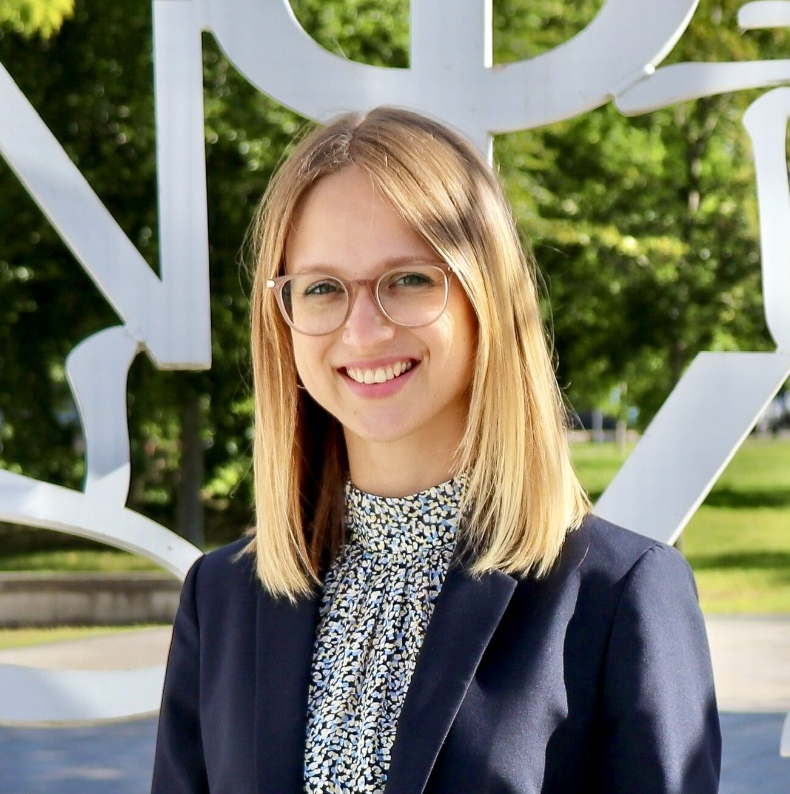
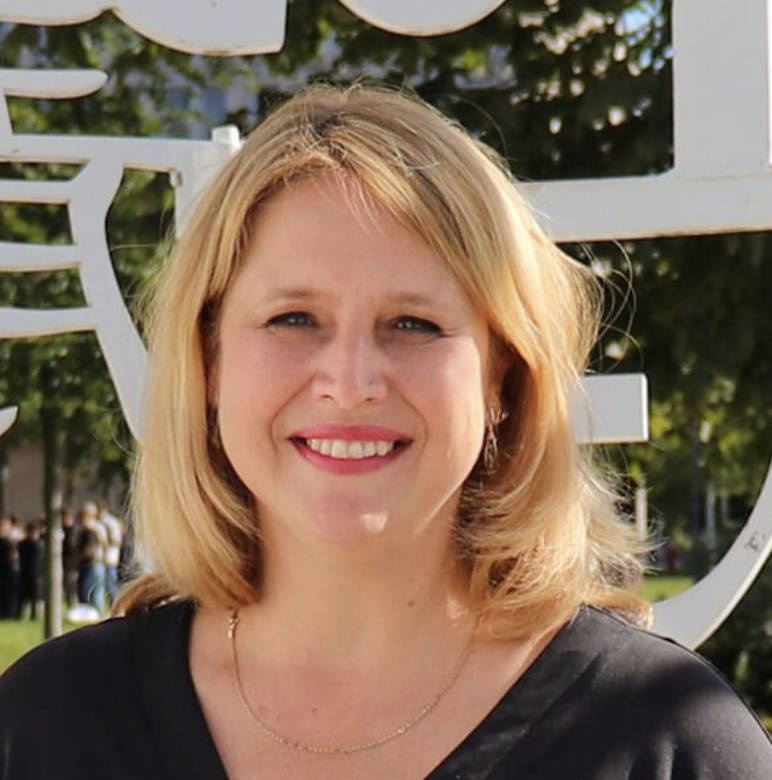
I am senior researcher at the Institute of Sociology and a member of the Cornelia Goethe Center for Women’s and Gender Studies at Goethe University Frankfurt. Originally from Poland, I studied at the Universities of Wrocław, Münster, and Bochum, earning a PhD in Social Sciences focused on Upper Silesia’s role in transnational migration. Over the years, my research has centered on the intersections of migration, gender, ageing, and welfare policy. Care work is at the heart of my work. Currently, I am Principal Investigator of CareOrg project ‘Researching the transnational organization of senior care, labor and mobility in Central and Eastern Europe’ (2023–6), funded by the Volkswagen Foundation; it is building on Decent Care Work (2017–2021), a study across three countries examining how transnational placement agencies shape senior care and labor markets in Europe. Before that, I explored global care chains linking Ukraine, Poland, and Germany, and conducted an innovative study on “New Butlers,” investigating masculinity in paid domestic work. Beyond research, I’ve gained hands-on experience supporting vulnerable groups—as a volunteer for people with mental disabilities in Poland, a personal assistant for elderly and disabled individuals in Germany, and in migration services at Caritas in Bochum. My current focus is on the urgent challenge of balancing flexible home senior care with decent working conditions for migrant live-in workers. I am especially interested in the role labor brokers play in this dynamic and the need for better education and training in this field to ensure quality care and decent work.


 PL
PL  EN
EN  DE
DE  NL
NL  UK
UK  RO
RO  CS
CS  HU
HU